The Soaring Ambition of German Skylines: A Journey Through Height and Innovation
Germany, a nation renowned for its rich history, innovative engineering, and vibrant cultural heritage, also boasts an increasingly impressive collection of modern architectural marvels that define its urban landscapes. From ancient castles that dot the countryside to avant-garde designs piercing the clouds, the country's building prowess is undeniable. As cities evolve and grow, the pursuit of height and architectural distinction often leads to the setting of what we might call "new records" – pushing boundaries in design, sustainability, and urban integration. In the context of Germany's ambitious building projects, the idea of a
new record is constantly being redefined, reflecting technological advancements and bold visions.
While one might search for specific groundbreaking achievements like "hagen neuer rekord" within detailed lists of Germany's tallest structures or high-speed rail developments, it's important to note that direct mentions of such a specific term aren't typically found in the primary architectural or transportation databases dedicated to the nation's highest achievements. The pursuit of "new records" in German architecture is an ongoing, dynamic process, not always confined to a single, eponymous event. For a deeper dive into this specific search term and its context, readers might find valuable insights in
Hagen Neuer Rekord: Unfound in ICE or Tallest German Buildings Context. This article, however, will focus on the actual titans of German architecture and the captivating stories behind their construction, exploring how they have shaped the modern identity of German cities.
The Evolution of Germany's Urban Skylines
For centuries, German cities were characterized by their historic churches, cathedrals, and municipal buildings, whose spires dominated the urban fabric. Post-World War II reconstruction brought a wave of functional, often brutalist, architecture. However, it was truly in the late 20th and early 21st centuries that Germany embraced the skyscraper as a symbol of economic prowess and modern urbanism.
The transformation was gradual but profound. Early attempts at high-rise construction in the mid-20th century were often met with skepticism, balancing the need for space with a desire to preserve historical aesthetics. Yet, as Germany solidified its position as an economic powerhouse, particularly in sectors like finance and technology, the demand for modern, efficient office and residential spaces grew exponentially. This demand, coupled with advancements in construction technology and a growing global trend towards vertical urbanism, paved the way for the impressive skylines we see today.
Cities like Frankfurt began to actively promote high-rise development, recognizing their potential to attract international businesses and talent. This strategic shift not only transformed the physical appearance of these cities but also fundamentally altered their economic and social dynamics, creating bustling metropolises that are both deeply rooted in history and aggressively forward-looking.
Frankfurt: The Unofficial Capital of German Skyscrapers
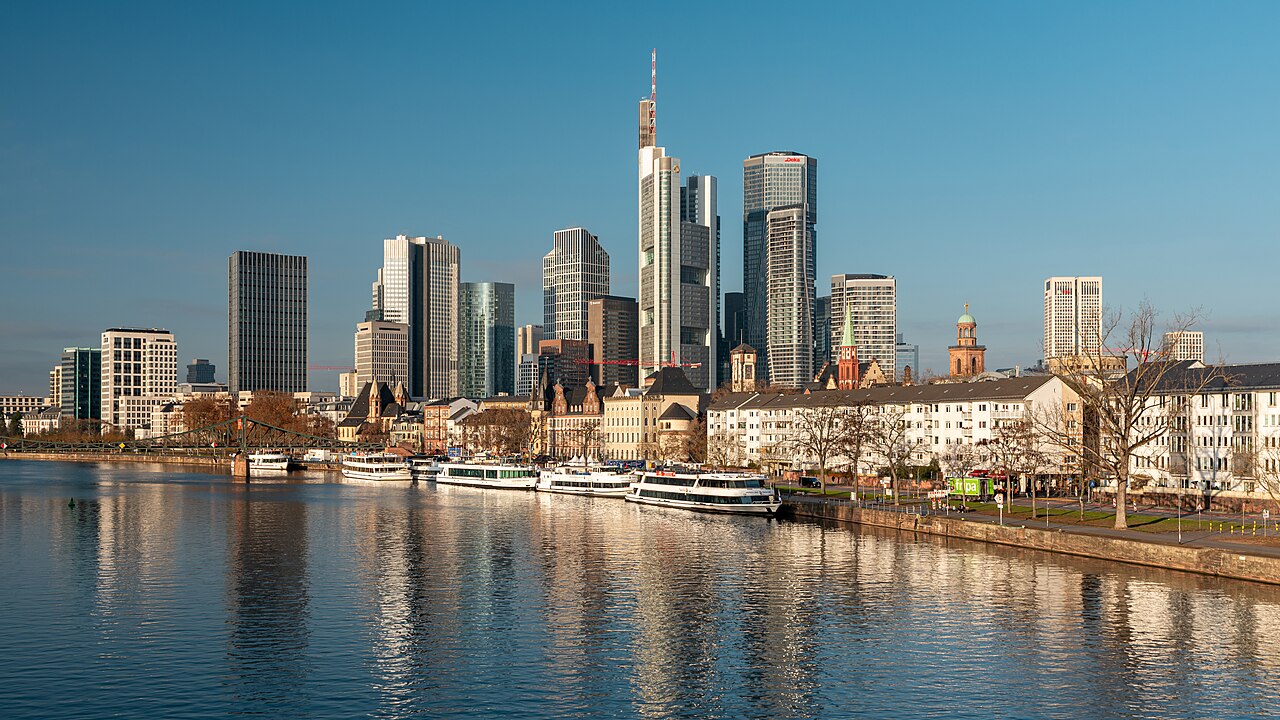
When one thinks of Germany's tallest buildings, one city immediately comes to mind: Frankfurt am Main. Often dubbed "Mainhattan" due to its dense cluster of high-rises along the Main River, Frankfurt stands as the undisputed leader in Germany's skyscraper landscape. Its status as a global financial hub has fueled a continuous race for height and architectural innovation.
Here are some of the titans that define Frankfurt's breathtaking skyline:
- Commerzbank Tower (259 meters / 850 feet, 56 floors): Completed in 1997, this iconic structure was for a time the tallest building in Europe. Designed by Foster + Partners, it's renowned not only for its height but also for its sustainable design, featuring nine large sky gardens that integrate nature into the office environment. It truly set a new standard for eco-friendly skyscraper construction.
- Messeturm (257 meters / 843 feet, 63 floors): Finished in 1991, and designed by Helmut Jahn, the "Trade Fair Tower" was Europe's tallest building for six years before being surpassed by the Commerzbank Tower. Its distinctive pyramid-shaped crown makes it an instantly recognizable landmark.
- Main Tower (200 meters / 656 feet, 56 floors): Opened in 1999, the Main Tower is unique for its combination of two interconnected towers – one a cylindrical glass tower and the other a cuboid. It features a publicly accessible observation deck and a restaurant, offering unparalleled views of the city.
- Omniturm (190 meters / 623 feet, 49 floors): Completed in 2019, Omniturm stands out with its innovative "twist" design, integrating residential units alongside office space, reflecting a growing trend in mixed-use high-rise development.
- Grand Tower (172 meters / 564 feet, 47 floors): Germany's tallest residential building, completed in 2020. Its striking, crystalline facade and luxurious apartments signify a new era of high-end vertical living in Germany.
Frankfurt's dedication to architectural excellence extends beyond sheer height. Developers and city planners collaborate to ensure these towering structures contribute positively to the urban environment, often incorporating public spaces, green initiatives, and cutting-edge design.
Beyond Frankfurt: Other Cities Reaching for the Sky
While Frankfurt dominates the supertall scene, other German cities have also contributed significantly to the nation's collection of impressive tall buildings, each with its unique architectural character and urban context.
*
Berlin: Germany's capital, with its rich historical tapestry, has a more nuanced approach to high-rise development. While its iconic Fernsehturm (TV Tower) at 368 meters (1,207 feet) is the tallest structure in Germany, it's an observation tower, not a building in the traditional sense. Notable buildings include the
Park Inn by Radisson Berlin Alexanderplatz (125 meters / 410 feet), a prominent feature of the Alexanderplatz skyline since 1970, and newer additions like the
Upper West (119 meters / 390 feet), which blend modern design with the city's historical layers. Berlin's high-rises often reflect a balance between contemporary aspirations and preserving the city's unique historical streetscapes.
*
Cologne: Home to the magnificent Kölner Dom, Cologne also boasts the
Kölnturm (148 meters / 486 feet), an impressive office tower completed in 2001. Its distinctive glass facade and prominent location add a modern touch to a city otherwise dominated by its Gothic masterpiece.
*
Munich: In Bavaria's capital, high-rise development has been traditionally constrained by strict height limits, largely to preserve views of the Alps and historic city center. However, the
Uptown Munich Tower (146 meters / 479 feet), completed in 2004, stands as a notable exception, embodying modern corporate architecture while adhering to local planning sensibilities.
These examples illustrate a diverse approach to tall building construction across Germany, shaped by local regulations, historical context, and economic drivers. Each city's skyline tells a story of its unique journey into the 21st century.
The Intersection of Architecture and Connectivity: High-Speed Rail's Role
These towering achievements aren't isolated monuments; they are integral parts of a highly interconnected nation. Germany's robust infrastructure, including its world-class high-speed rail system, the Intercity Express (ICE), plays a pivotal role in linking these vibrant urban centers. The ability to travel efficiently and sustainably between cities like Frankfurt, Berlin, and Munich ensures that these architectural hubs are not just individual beacons but part of a cohesive national network.
The ICE system facilitates business, tourism, and daily commutes, making the "tallest buildings" accessible to a broader population and fostering economic synergy between regions. For instance, an executive might attend a meeting in Frankfurt's Commerzbank Tower in the morning and be in Berlin for another engagement by afternoon, thanks to the efficiency of high-speed rail. This seamless connectivity enhances the appeal and functionality of these urban centers, drawing investments and talent. To explore how this vital transportation backbone underpins Germany's urban development and connects its architectural marvels, read more about
Exploring Intercity Express: Germany's High-Speed Rail Network.
Future Horizons and Sustainable Tall Buildings
The future of Germany's tallest buildings is not just about height but also about sustainability, smart technology, and social integration. Modern architectural trends emphasize energy efficiency, responsible material sourcing, and designs that enhance the well-being of occupants. Green roofs, vertical gardens, advanced HVAC systems, and intelligent building management are becoming standard features, pushing the boundaries of what a skyscraper can be.
As urban populations continue to grow, the demand for vertical living and working spaces will persist. German architects and urban planners are increasingly focused on creating mixed-use developments that integrate residential, commercial, and public spaces seamlessly. This approach not only maximizes land use but also fosters vibrant, walkable neighborhoods around these colossal structures, ensuring they contribute positively to the overall urban fabric rather than existing as isolated giants.
In conclusion, Germany's journey in skyscraper construction is a testament to its forward-thinking vision, engineering excellence, and commitment to urban development. From Frankfurt's towering financial district to Berlin's historically integrated high-rises, these buildings narrate a compelling story of ambition and innovation. While the pursuit of a specific "new record" is ongoing and ever-evolving in this dynamic landscape, the collective impact of these architectural wonders on Germany's city skylines and national identity is undeniably profound and continues to shape its future.